 EU TRADE LTD
15 Winter Wardrobe Essentials for the UK and Europe
Practical layers and versatile pieces for cold-weather outfits
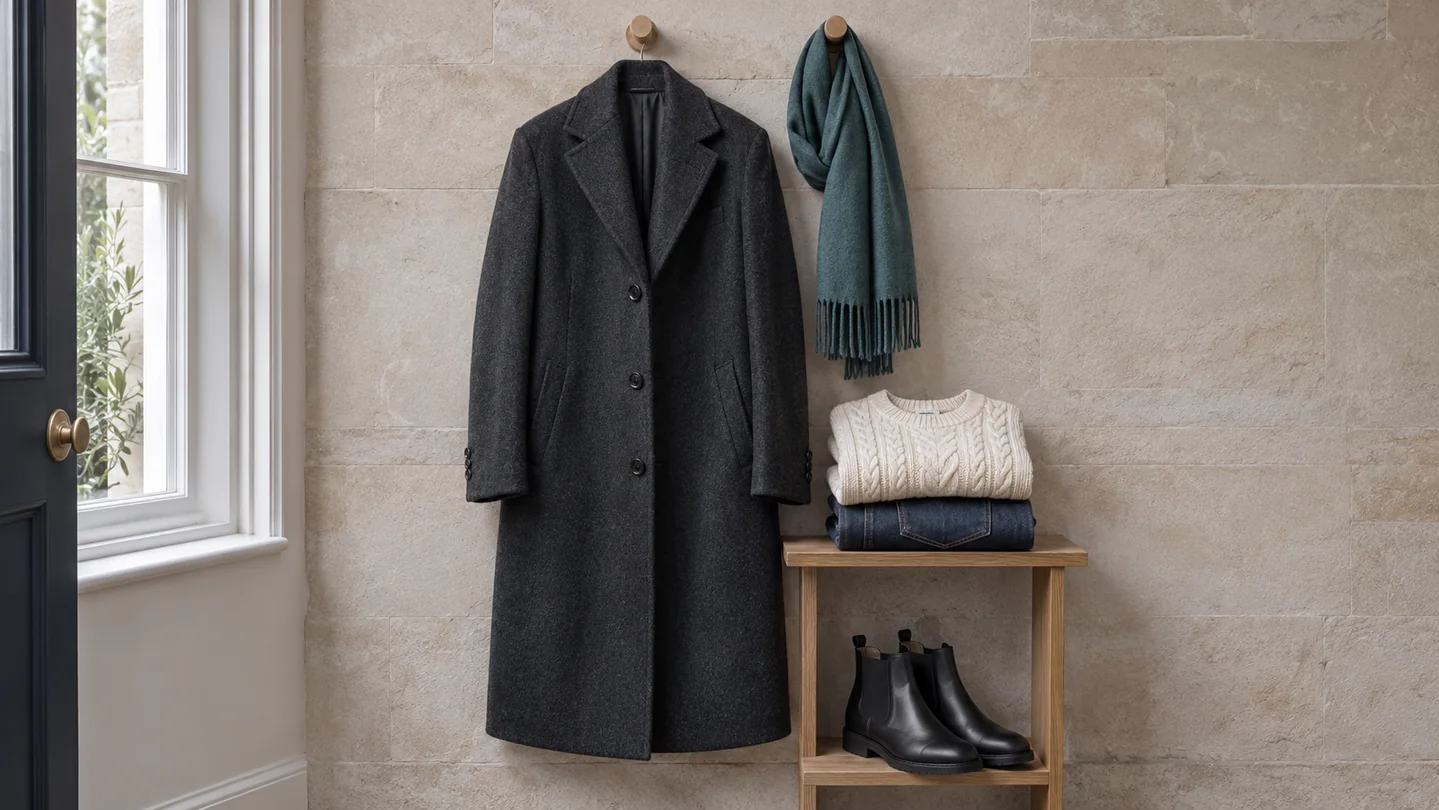
Winter wardrobe essentials are the foundation of a practical, comfortable, and stylish cold-weather wardrobe. When temperatures begin to drop, choosing the right jumpers, jackets, trousers, footwear, and accessories can make everyday dressing easier while helping you create a variety of outfits with fewer clothing items.
A well-planned winter wardrobe does not need to be expensive or overflowing with clothes. The secret is to choose versatile pieces that work together, suit your local climate, and fit your personal style. Whether you prefer a minimalist aesthetic, casual streetwear, elegant outfits, or classic everyday fashion, the right winter clothing essentials can help you build combinations for work, university, shopping, travel, and social occasions.
In this guide, we will explore the 15 essential winter clothing items everyone should consider, explain how to style them, and share practical tips for layering, choosing fabrics, coordinating colours, and shopping wisely. By the end, you will know how to build a winter wardrobe that combines warmth, versatility, and timeless style.
In this guide
1. Warm Jumpers: The Foundation of Winter Fashion
A good jumper is one of the most useful pieces of winter clothing. It provides warmth, works with different outfits, and can be styled for both casual and more polished occasions.
When building your winter wardrobe, consider crewneck jumpers, V-neck knits, roll-necks, and cardigans. Each style offers different possibilities. A crewneck jumper works well with jeans and trainers, while a roll-neck can be paired with tailored trousers and a structured coat for a refined appearance.
Neutral colours such as black, grey, cream, navy, and brown are particularly versatile because they complement many other clothing colours. You can also introduce burgundy, forest green, or other seasonal shades to add variety.
When choosing a jumper, pay attention to the fabric, construction, and care instructions. Wool and merino wool can provide useful warmth, while cotton knits may suit milder conditions. Synthetic blends can also be practical depending on their quality and intended use.
Styling tip: Pair a neutral jumper with dark jeans, comfortable boots, and a simple jacket for an outfit that works for many everyday occasions.
2. Winter Jackets for Everyday Wear
A winter jacket is an important investment because it provides an outer layer of protection against cold air and changing weather conditions.
There are several types of jackets to consider. A lightweight bomber jacket works well for casual outfits and milder winters. A denim or corduroy jacket can add texture to a layered look, while a padded jacket or puffer offers more insulation when temperatures become particularly cold.
Your local climate should guide your choice. People living in regions with mild winters may find a lightweight jacket sufficient for many days, whereas colder regions may require insulated outerwear.
Fit is also important. A jacket should allow enough room for a jumper underneath without restricting movement. Check the sleeve length, closure, pockets, and material before purchasing.
Styling tip: Combine a black or navy jacket with a plain T-shirt, straight-leg jeans, and clean trainers for a simple casual outfit.
3. A Classic Coat for a Refined Look
A well-chosen coat can make an ordinary winter outfit look more polished. It is particularly useful for office wear, formal gatherings, dinners, and occasions where a more structured appearance is appropriate.
Popular options include wool-blend coats, trench-style outerwear, long tailored coats, and traditional overcoats. The best choice depends on your climate, lifestyle, and the clothing you already own.
For a versatile wardrobe, consider camel, charcoal, black, or navy. These colours are relatively easy to coordinate with shirts, jumpers, trousers, and winter accessories.
Before buying a coat, examine the fabric composition, lining, fastening, and overall construction. A coat that looks attractive but does not provide enough warmth for your climate may not be the most practical choice.
Styling tip: Layer a tailored coat over a fine-knit jumper and dark trousers. Add boots or loafers, depending on the weather and occasion.
4. Hoodies and Sweatshirts for Casual Outfits
Hoodies and sweatshirts are practical layers for relaxed winter outfits. They are suitable for everyday errands, casual meetups, travel, and laid-back weekend outfits.
A classic hoodie offers a relaxed appearance, while a crewneck sweatshirt creates a cleaner silhouette without a hood. Both can be worn over a T-shirt or under a jacket when the weather calls for additional warmth.
For maximum versatility, start with simple designs in grey, black, navy, cream, or olive. Graphic designs and brighter colours can add personality once you have a few basic pieces.
Fabric weight matters too. Lightweight sweatshirts are useful for layering, whereas thicker fleece-lined designs may be more suitable for colder conditions.
Styling tip: Wear a neutral hoodie with jeans and trainers, then add a lightweight jacket when you need an extra layer.
5. Long-Sleeve T-Shirts and Thermal Base Layers
Base layers are among the most practical winter wardrobe essentials because they help you build comfortable outfits without relying on a single heavy garment.
Long-sleeve T-shirts can be worn beneath jumpers, shirts, and jackets. In colder conditions, thermal tops designed to retain warmth can provide an additional layer beneath everyday clothing.
Choose base layers that feel comfortable against your skin and allow enough movement. Breathable fabrics are especially useful if you spend time walking, commuting, or moving between outdoor and heated indoor environments.
Black, white, grey, and other neutral shades make coordination easier. For a discreet appearance, choose a neckline that remains hidden beneath your outer layer.
Styling tip: Wear a thermal top beneath a regular shirt and jumper when additional warmth is needed. Remove or adjust an outer layer indoors to stay comfortable.
6. Versatile Jeans for Everyday Winter Outfits
Jeans remain a dependable part of many winter wardrobes because they work with jumpers, hoodies, jackets, coats, and a wide range of footwear.
Straight-leg and relaxed-fit jeans are useful starting points for a versatile wardrobe. Dark blue and black denim can create a more polished appearance, while lighter washes work well with casual clothing.
The best fit is one that allows comfortable movement and suits your personal preferences. You do not need to follow every seasonal denim trend to build attractive outfits.
When selecting winter jeans, consider the thickness of the denim and how it feels in your local weather. If temperatures become extremely low, jeans alone may not provide sufficient insulation.
Styling tip: Pair dark jeans with a cream jumper and a charcoal jacket for a coordinated outfit. For a relaxed alternative, choose blue jeans, a hoodie, and trainers.
7. Comfortable Trousers for Smart-Casual Styling
Although jeans are versatile, a winter wardrobe benefits from having at least one or two alternatives. Chinos, corduroy trousers, wool-blend trousers, and other structured styles can make outfits feel more varied.
Chinos are suitable for many everyday and smart-casual situations. Corduroy offers a textured appearance, while tailored wool-blend trousers can complement coats and knitwear.
Consider neutral shades such as charcoal, beige, navy, and brown. These colours are easy to combine with a variety of jumpers and jackets.
For colder weather, pay attention to the fabric weight and how comfortably the trousers fit over any base layer you may wear.
Styling tip: Combine beige chinos with a navy jumper and brown footwear for a balanced smart-casual look.
8. Shirts for Layering and Formal Occasions
Shirts add versatility to winter outfits because they can be worn alone, beneath knitwear, or under jackets and coats.
A classic button-down shirt is suitable for office wear and smart-casual outfits. Oxford shirts offer a slightly textured appearance, while flannel shirts are often associated with relaxed cold-weather styling.
White, light blue, navy, and subtle checks are useful options. If you prefer a more distinctive look, try deeper seasonal colours or understated patterns.
Layering a shirt beneath a jumper introduces visual interest without requiring additional statement pieces. Allowing a small portion of the collar or hem to show can create a more considered outfit.
Styling tip: Wear a light blue shirt beneath a charcoal crewneck jumper and finish with dark trousers. Add a coat if the weather requires it.
9. Cardigans for Flexible Layering
Cardigans are practical winter essentials because they can be added or removed as temperatures change. They are particularly useful for indoor environments, where a heavy jacket may feel uncomfortable.
A fine-knit cardigan can complement office clothing, while a thicker cardigan works well with jeans and everyday basics. Button-front designs provide a classic appearance, whereas open-front styles create a more relaxed look.
Neutral colours offer the greatest flexibility, but a cardigan in burgundy, forest green, or another rich shade can become a useful focal point.
Look for comfortable sleeves, durable buttons or fastenings, and a fabric that suits the level of warmth you need.
Styling tip: Wear a cardigan over a plain T-shirt with jeans, or layer it over a collared shirt for a more polished outfit.
10. Boots and Winter-Appropriate Footwear
Footwear influences both the appearance and practicality of a winter outfit. The right pair should complement your clothing while offering suitable comfort, grip, and protection for local conditions.
Chelsea boots are a versatile option for smart-casual styling. Lace-up boots can suit casual and rugged outfits, while insulated or weather-resistant boots may be more appropriate in snowy, wet, or particularly cold environments.
Trainers can remain useful during milder winters, especially when conditions are dry. However, ordinary fashion trainers may not provide sufficient traction or weather protection on slippery surfaces.
When buying winter footwear, check the sole, construction, fit, and care requirements. Water resistance and waterproofing are not the same, so review the manufacturer's description before relying on a shoe in wet weather.
Styling tip: Pair dark jeans with Chelsea boots and a wool-blend coat for a classic look. For casual days, try clean trainers with a sweatshirt and a lightweight jacket.
11. Scarves for Warmth and Visual Interest
A scarf is a small accessory that can make a noticeable difference to a winter outfit. It provides additional warmth around the neck and introduces another colour or texture to your overall look.
Wool and wool-blend scarves can be useful in colder weather, while lighter fabrics may be sufficient for milder conditions. Softness, size, and ease of care are worth considering before purchasing one.
A neutral scarf in grey, camel, black, or cream can complement several coats. A patterned or colourful scarf can also add interest to a simple outfit.
You do not need a complicated tying technique. A simple drape or wrap is often enough for everyday wear.
Styling tip: Pair a charcoal coat with a camel scarf, or use a burgundy scarf to introduce colour to a black-and-grey outfit.
12. Beanies, Gloves, and Other Cold-Weather Accessories
Cold-weather accessories should be selected according to the conditions you experience. A knitted beanie, comfortable gloves, and warm socks can be particularly useful in colder climates.
A beanie can complement casual streetwear and everyday jackets. Gloves help keep your hands comfortable outdoors, while thermal or wool-blend socks may provide additional warmth inside suitable footwear.
In wet or snowy conditions, look for gloves and accessories designed for the environment rather than relying exclusively on appearance.
For a coordinated wardrobe, choose accessories that complement your outerwear without needing to match every item exactly.
Styling tip: Combine a navy jacket with a grey beanie and dark gloves for a simple, coordinated cold-weather outfit.
13. A Versatile Blazer for Smart Winter Dressing
A blazer can extend the usefulness of your winter wardrobe beyond casual clothing. It is appropriate for many workplaces, dinners, presentations, and occasions that call for a smart-casual appearance.
A structured blazer in navy, charcoal, or a subtle check can be worn with a shirt, fine-knit jumper, chinos, or tailored trousers.
For colder conditions, choose a fabric with enough weight for the weather and allow room for a suitable base layer. In milder climates, a lighter blazer may be more comfortable.
A blazer does not need to be reserved for formal events. Pairing it with jeans and a simple knit can create a balanced combination of relaxed and polished elements.
Styling tip: Wear a navy blazer over a cream jumper with charcoal trousers. Keep accessories simple so the outfit remains versatile.
14. A Winter Dress or Skirt for Additional Outfit Options
For wardrobes that include dresses and skirts, these pieces can provide alternatives to jeans and trousers during winter.
Knit dresses are useful for creating a coordinated outfit with minimal effort. Midi skirts can be paired with jumpers, while heavier fabrics and suitable tights may provide additional coverage in cooler conditions.
Choose garments that suit your preferred level of formality and the temperatures you experience. Layering with a cardigan, coat, or other outerwear can help adapt an outfit to changing weather.
Boots can complement dresses and skirts, while simple flats or other closed-toe footwear may work in milder, dry conditions.
Styling tip: Pair a knit dress with a long coat and boots, or combine a midi skirt with a fine-knit jumper and a warm outer layer.
15. A Practical Winter Bag
A bag is not always the first item people consider when planning winter clothing, but it can improve the practicality of everyday outfits.
A structured tote bag, crossbody bag, backpack or compact shoulder bag can carry essentials such as a wallet, phone, keys, and an extra lightweight layer.
The best choice depends on your daily routine. A backpack may be convenient for university or commuting, while a structured bag may complement office clothing.
Black, brown, navy, and other neutral colours can work with a broad range of winter outfits. Before purchasing, consider capacity, comfortable straps, durability, and weather resistance.
Styling tip: Pair a structured dark bag with a neutral coat and simple footwear for an understated, coordinated appearance.
How to Build a Winter Wardrobe on a Budget
Building a practical winter wardrobe does not require purchasing all 15 items at once. A more effective approach is to identify the clothing you already own and fill the gaps gradually.
Start by reviewing your current jumpers, trousers, shirts, jackets, and footwear. Identify the items you wear most frequently and note which additional pieces would allow you to create more combinations.
Prioritise versatile basics
Begin with the items you are most likely to wear regularly. Depending on your climate, these may include a jumper, everyday trousers, a suitable jacket, long-sleeve tops, and comfortable footwear.
Choose colours that coordinate with several pieces you already own. This makes it easier to create different outfits without buying a separate item for every occasion.
Set a realistic shopping budget
Decide how much you can comfortably spend before browsing. Compare fabric composition, stitching, fit, and care requirements rather than judging a garment only by its brand or appearance.
Sales and second-hand clothing can offer useful options, provided the items are in suitable condition and meet your needs.
Consider cost per wear
A garment that works with several outfits may offer better long-term value than a highly specific item you rarely use. Consider how often you expect to wear something and whether it fills a genuine gap in your wardrobe.
Avoid buying duplicate items unnecessarily
Before making a purchase, consider at least three outfits you could create with the item. If it does not work with your existing clothes, you may need additional purchases to make it useful.
How to Layer Clothes Properly in Winter
Layering is one of the most useful skills for creating comfortable winter outfits. Instead of relying on one very thick garment, you can combine several layers according to the weather and your activity level.
1. Start with a comfortable base layer
Wear a breathable T-shirt, long-sleeve top, or thermal garment depending on the temperature. The base layer should feel comfortable and allow movement.
2. Add an insulating middle layer
A jumper, cardigan, fleece, or sweatshirt can help retain warmth. Choose the thickness according to the conditions and the outerwear you plan to wear.
3. Finish with suitable outerwear
A jacket or coat provides an additional barrier against the weather. In windy or wet conditions, a suitable wind-resistant or water-resistant outer layer can be particularly helpful.
4. Adjust layers throughout the day
Indoor heating, changing temperatures, and physical activity can affect how warm you feel. Choose layers that are easy to remove or add as needed.
The ideal combination depends on your local climate. Mild winters may require only a shirt and lightweight jacket, whereas freezing conditions can call for insulated clothing, warm accessories, and more protective footwear.
Best Winter Clothing Colours and Combinations
Choosing a coordinated colour palette makes it easier to build outfits from a small collection of clothing.
Black and grey: These classic neutrals work well together and can create understated casual or smart-casual outfits.
Navy and cream: Navy provides a deeper base, while cream adds contrast. Try a navy jacket with a cream jumper and dark trousers.
Brown and beige: These earthy shades complement one another and work particularly well with textured knits and outerwear.
Burgundy and charcoal: Burgundy introduces a rich seasonal colour without requiring a bright or complicated outfit.
Olive and black: Olive adds subtle colour to a wardrobe and pairs well with black jeans, neutral jumpers, and casual jackets.
You do not need to limit your winter wardrobe to neutral shades. The goal is to select colours that work together and reflect your personal style.
Common Winter Wardrobe Mistakes to Avoid
Even a well-stocked wardrobe can become difficult to use if clothing is chosen without considering fit, comfort, and versatility.
- Buying clothing that does not suit your climate: Heavy outerwear may be uncomfortable in mild weather, while lightweight garments may not provide enough warmth in freezing conditions.
- Ignoring fit: Clothing should allow comfortable movement and accommodate any layers worn underneath.
- Choosing appearance over practicality: Check warmth, fabric quality, care requirements, and durability as well as design.
- Purchasing too many similar items: A few complementary pieces may create more outfit combinations than several nearly identical garments.
- Forgetting footwear and accessories: Socks, gloves, scarves, and suitable shoes can make a meaningful difference in colder conditions.
- Neglecting garment care: Follow washing and storage instructions to help maintain the appearance and condition of your clothes.
Avoiding these mistakes can help you make more thoughtful purchases and get greater use from your existing wardrobe.
Frequently Asked Questions About Winter Wardrobe Essentials
What are the most important winter wardrobe essentials?
The most useful items depend on your climate and lifestyle, but a versatile winter wardrobe often includes jumpers, a suitable jacket or coat, long-sleeve tops, jeans or trousers, comfortable footwear, and cold-weather accessories.
How many clothes do I need for a winter wardrobe?
There is no single correct number. A smaller collection of versatile clothing can work well if the pieces coordinate with one another and suit your weekly routine. Start with the items you wear regularly, then add pieces according to your needs.
Which colours are best for a winter wardrobe?
Black, grey, navy, cream, brown, and olive are versatile choices. Burgundy and forest green can add seasonal colour. Select shades that complement your existing clothing rather than following a fixed colour rule.
How can I make winter outfits look stylish without spending much?
Use clothing you already own, focus on versatile basics, and experiment with layering. Changing a jumper, adding a scarf, or pairing jeans with a different jacket can create a fresh combination without requiring a completely new outfit.
What fabrics are best for winter clothing?
Wool, merino wool, fleece, and suitable insulated materials can provide warmth, while cotton and lighter knits may work well for base layers or milder weather. The best fabric depends on temperature, activity, comfort, and garment construction.
How do I choose winter clothes for mild weather?
Prioritise lightweight jumpers, long-sleeve shirts, cardigans, and jackets that are easy to remove. Layering provides flexibility when mornings and evenings are cool but daytime temperatures are more comfortable.
How can I make my winter wardrobe last longer?
Follow garment care labels, store clothing in a clean and dry place, repair minor damage when practical, and avoid unnecessary washing that may wear down fabrics. Proper care helps many garments remain useful across multiple seasons.
Final Thoughts: Build a Winter Wardrobe That Works for You
Creating a useful winter wardrobe is about choosing clothing that works together, suits your climate, and fits your everyday routine. Jumpers, jackets, coats, trousers, shirts, boots, and accessories each serve a purpose, but you do not need every item immediately.
Begin with versatile basics, choose comfortable fabrics and build outfits around a coordinated colour palette. For the finishing touches, see our guide to matching shoes with different outfits. Use layering to adapt to changing temperatures, and prioritise clothing that you can wear in several different ways.
The best winter wardrobe is not necessarily the largest or most expensive. It is the one that helps you get dressed comfortably, confidently, and practically throughout the season.
Ready to refresh your wardrobe for winter? Start by reviewing the pieces you already own, identify what is missing, and choose your next addition carefully. A few well-selected essentials can make everyday winter styling much simpler.